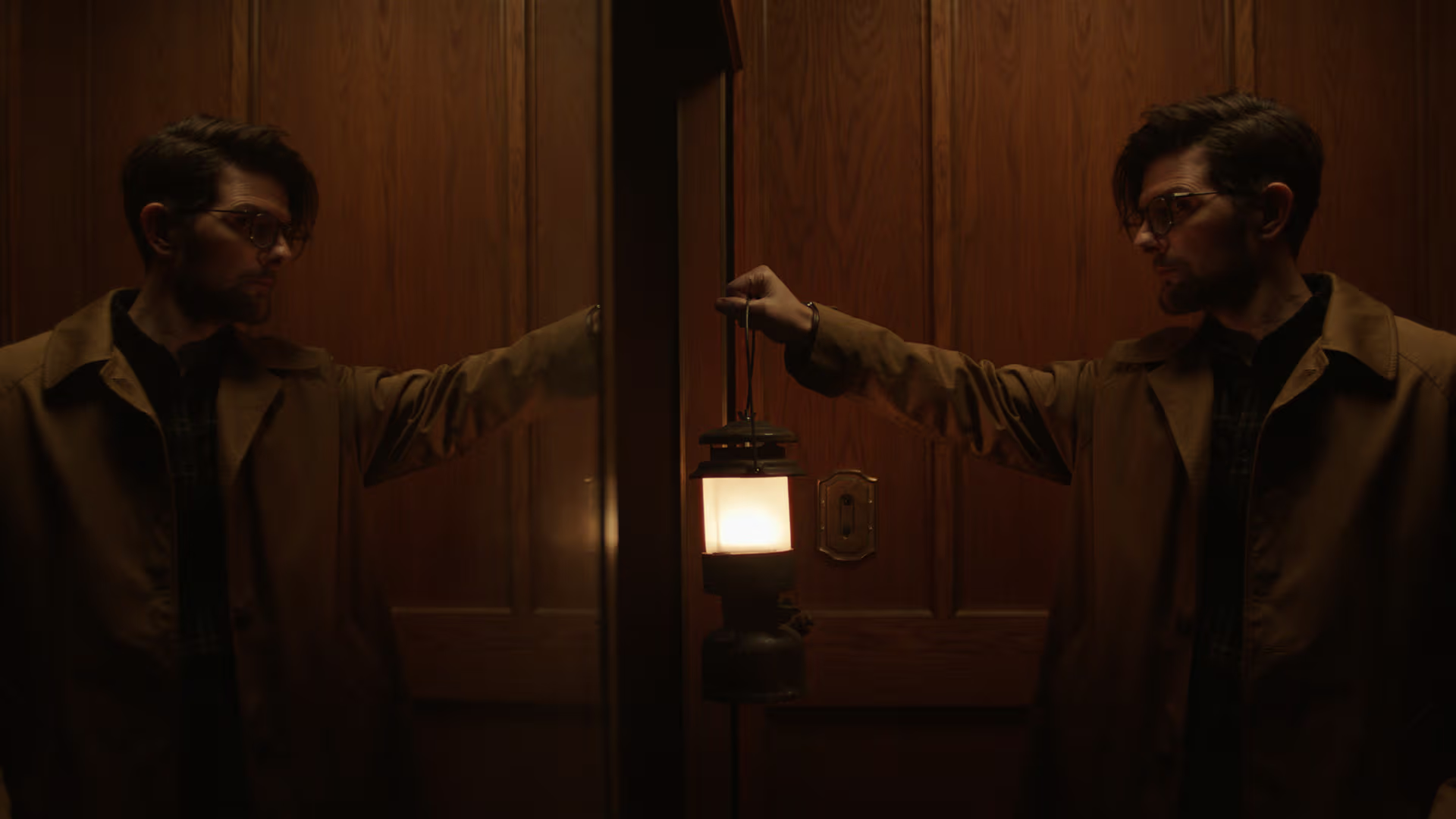
Nona Khodai & Tim Roche Keep The Fantastic Four: First Steps Light on Its Feet
The Fantastic Four: First Steps lands at a lean 114 minutes, blending 1960s retro-futurism with family-first warmth. That balance is engineered in the edit bay by Nona Khodai, ACE and Tim Roche—a pairing first tested on WandaVision and sharpened on Ms. Marvel. With their inaugural MCU feature, they keep cosmic stakes tight, character beats clear, and the overall rhythm propulsive.
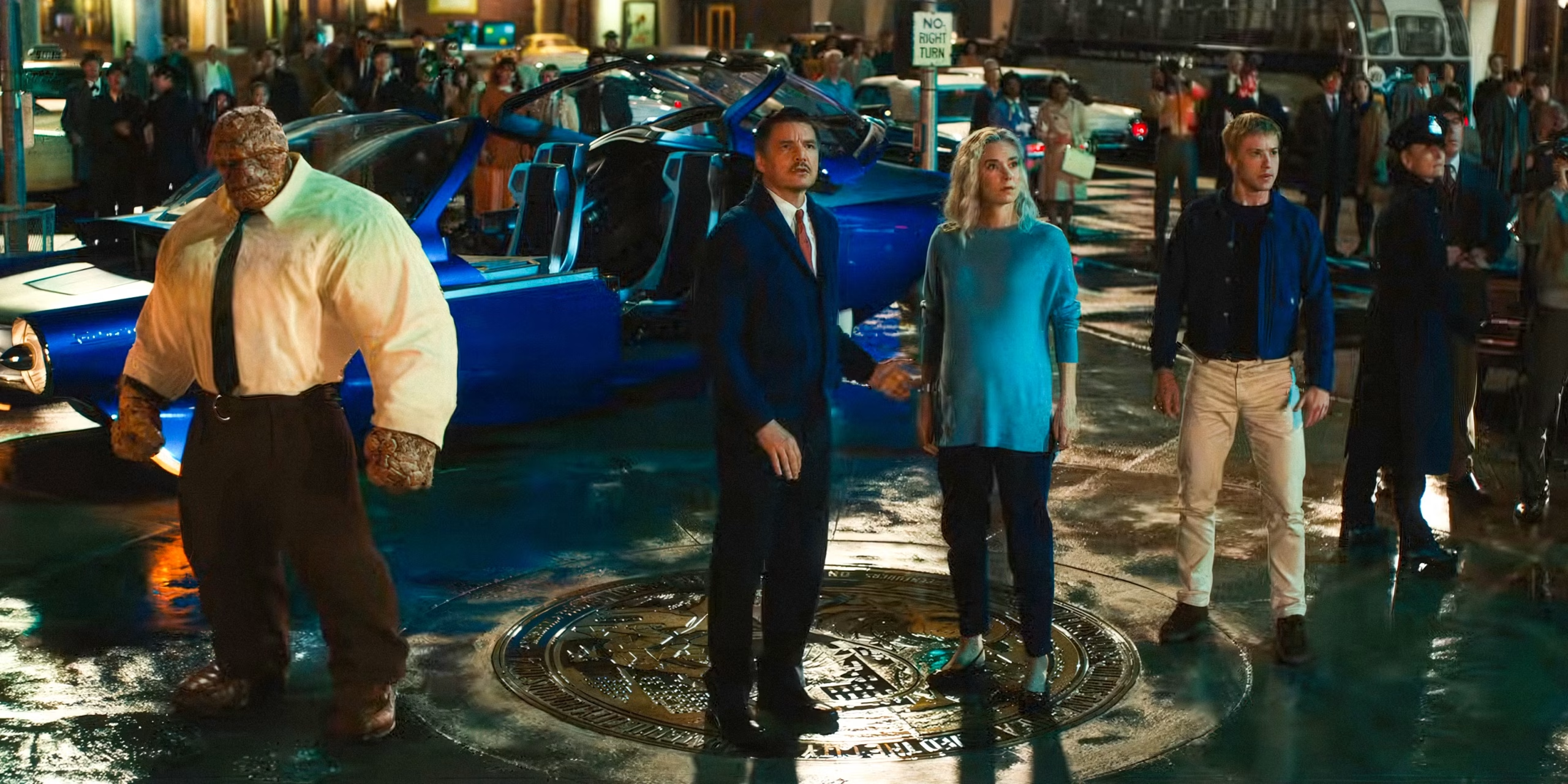
Marvel’s return to comics’ first family zips by in 114 minutes, a small miracle in a summer allergic to endings. The movie’s secret weapon is editorial: Nona Khodai, ACE and Tim Roche keep the tone light without sanding off the stakes, and they keep the plot legible while the screen is doing a dozen things at once. The result feels retro and modern at the same time, like a jet-age postcard that somehow flies.
This is an MCU film that actually breathes. Jokes land, then exit before they calcify. The prologue doesn’t lecture; it nudges. Character beats are sized for human faces, not action-figure poses, which is why the early Baxter Building stretch clicks. You can feel the editors saving frames for later, letting the movie bank energy for the Negative Zone run that follows. When that set piece hits, the film doesn’t blur into CG smoothie. Shots hold just long enough for cause-and-effect to make sense, then accelerate in clean, readable bursts. That balance is the headline achievement here.
How They Work Together
In a recent Rough Cut conversation, Khodai and Roche describe a feature workflow that’s genuinely collaborative: they shared the movie rather than owning isolated reels, alternated dailies “every other day” so neither editor drowned during heavy shoot weeks, and kept cutting deep into color and mix while juggling multiple delivery aspect ratios (2.40, 1.90, and 1.43). That’s all you need to know about process: two editors, one film, no silos. You feel it in the seamless hand-offs between dialogue-driven scenes and IMAX-scaled action.
The challenge with gods and city-eaters is scale shock. Khodai and Roche answer it with time. Large-format frames can make quick cutting feel small; here, the movie does the opposite. When Galactus looms, the edit slows a hair and lets mass register. When the Negative Zone destabilizes, the rhythm trims micro-beats for dread, then holds a single breath so the next hit lands harder. It is deceptively simple work that only reads when you get a hundred tiny choices right: eyelines that carry us through dimensional jumps, inserts that clarify rather than explain, a grace note of silence that says more than a rack of explosions.
Sound and Music as Editorial Glue
The soundtrack behaves like part of the cut. Voices are sculpted so character intent sits on top of the mayhem, and the world has that satisfying analog clatter (clicks, servos, little mechanical laughs) that make the retro-future vibe feel tactile. On the music side, the movie swerves around the obvious ’60s needle-drops and finds textures that feel witty instead of winky. When score steps forward, it shapes pacing rather than wallpapering it. When score steps back, the absence registers as a choice. That interplay makes several moments, particularly a late emotional scare, land with a thud in the chest.
A lot of superhero movies say they are about family; this one edits like it believes it. Banter isn’t a detour; it’s the map. Sue’s look sets the cut that sets the reaction that sets the gag that sets the next peril. Reed’s guilt gets just enough setup to resonate later, without the film stopping to underline it twice. Even the much-teased baby thread plays cleanly because the scenes are cut for performance, not just plot, and held just long enough to feel tender, not long enough to curdle.
First Steps moves like a prototype Fantasticar: sleek, bright, and always banking into the next beat. The comedy is crisp, the peril is readable, and the big-canvas sequences are paced for awe rather than confusion. Most importantly, Khodai and Roche make restraint feel exciting. In a franchise ecosystem that often equates scale with sprawl, they prove that speed and clarity are still superpowers.