A Gilded Glow: Billeter & LaVasseur On The Gilded Age’s Season 3
The Gilded Age season 3 returned with more duels fought in drawing rooms than on the streets, with a look that is rich without being syrupy and classical without going sleepy. That balance belongs to cinematographers Manuel Billeter, ASC and Christopher LaVasseur, who shape Old New York ritual and New New York ambition into a single, legible visual language.
The Gilded Age season 3 returned with more duels fought in drawing rooms than on the streets, with a look that is rich without being syrupy and classical without going sleepy. That balance belongs to cinematographers Manuel Billeter, ASC and Christopher LaVasseur, who shape Old New York ritual and New New York ambition into a single, legible visual language. On screen, it reads as clean framing, plush contrast, and a palette that flatters silk while letting gossip cut like glass. The result is prestige period drama that moves, no wonder the series received an early season 4 renewal.
Building a palette that serves the story
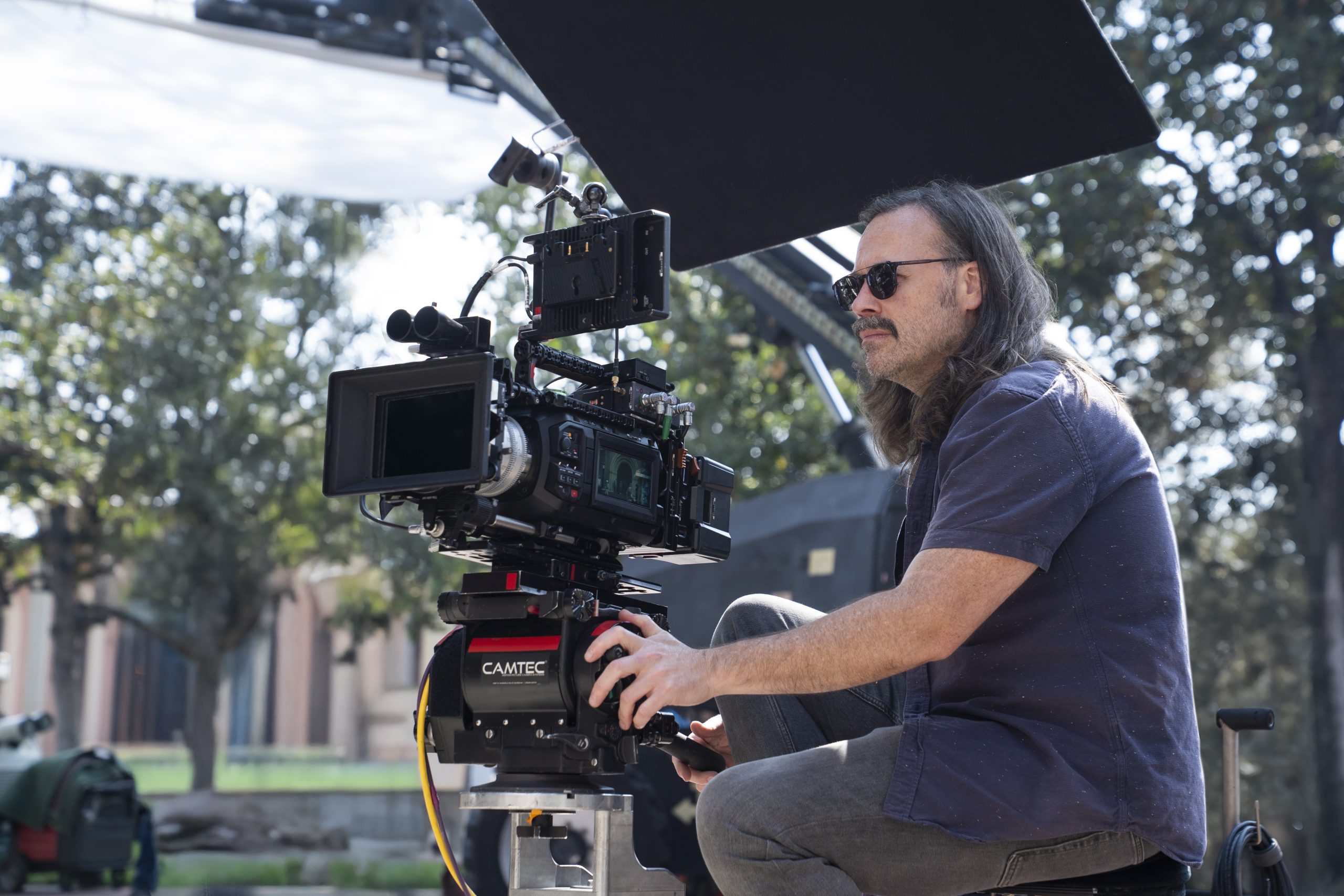
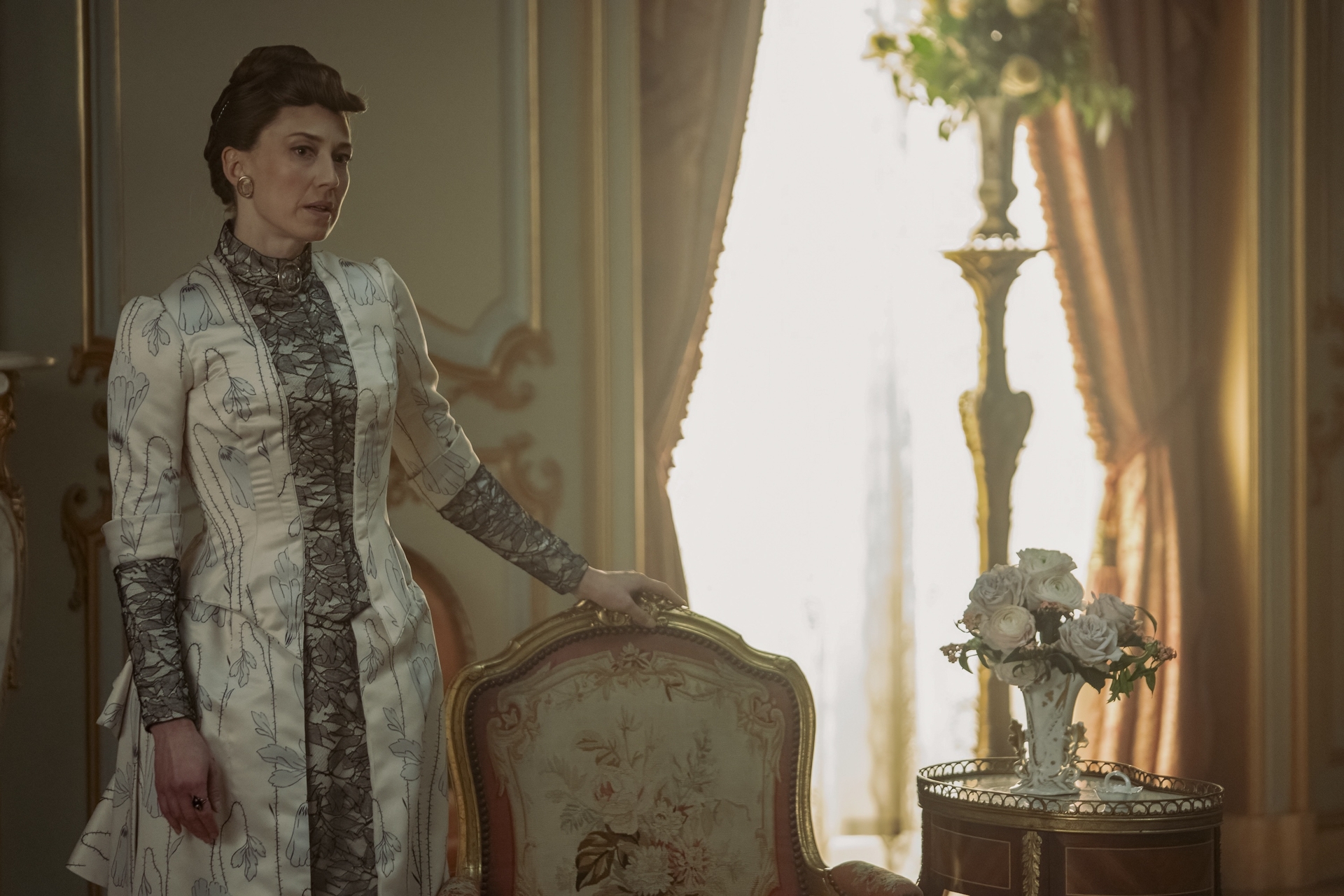
Panavision supported the show with ARRI Alexa Mini LF bodies paired with Ultra Panatar II optics, a combination that gives period interiors generous falloff and heroic scale without pulling attention away from performances. If you have been watching since the pilot, which of course we have, you can feel how the grammar has evolved without losing its premise. From the start, the series distinguished Old New York from its upstart neighbors with a dual-lens idea that matched theme to texture. “For the storylines that involve Old New York we used Cooke Anamorphic lenses… and Cooke S7s… for New New York,” Billeter explained in an interview for British Cinematographer when the show launched. The early seasons primarily photographed with VariCam Pure cameras, then shifted to Alexa Mini LF for Season 2 as the world widened and the production settled into its look. Billeter has been clear about why the scheme works. In a conversation with The Creative Process, he credited fellow DP Vanja Černjul, who set the look in season one episode one, with proposing anamorphic for the old money storylines and spherical for the arrivistes, calling the former “nostalgic” and the latter “sharper” and “crisper.” That split gives drawing-room power plays a stately sheen while letting the nouveau set feel just a touch more clinical. What matters in Season 3 is calibration. The Alexa Mini LF plus Ultra Panatar II pairing keeps faces luminous even as scenes stack candles, mirrors, and elaborate trims that would muddy lesser sensors or glass. You notice lace, but you never lose an actor’s eyes. It is the kind of invisible problem-solving that lets viewers track shifting alliances without having to fight the lighting. LaVasseur’s episodes tend to sharpen the show’s contrasts through color temperature and restraint. Director Deborah Kampmeier, discussing a Season 3 storyline, praised how LaVasseur “kept the lighting very cool” to mirror a character’s emotional isolation. You feel that choice as a quiet chill that sneaks into otherwise ornate frames, reminding us that status can be an icebox. The broader Season 3 look favors elegant blocking and coverage that moves only when the characters do. That restraint pays off in those delicious Society set pieces where a half-step forward at a dinner table counts as a betrayal. In our view, the camera never begs for attention, yet the staging has muscle. You can watch competing lines of power flow through rooms the way steam curls off carriages outside, and the photography always gives you a clean path to follow. On the production side, the Alexa LF’s real estate allows for protective framing that preserves costume detail at the wide end while holding skin tones in tricky mixed sources, especially in gaslight-plus-daylight scenarios. The Ultra Panatar II look carries a whisper of period curvature and bokeh character without drawing mustache-twirling attention to the glass. It is a tasteful way to suggest the past while staying firmly modern in clarity.
Two cinematographers, one city
Billeter’s taste for character-first imagery predates The Gilded Age. His résumé includes Ozark, Jessica Jones, and Inventing Anna, all shows that live or die on the faces of schemers and strivers. He has spoken about how prep and collaboration are his north stars. “The pre-production work… is probably the best because it gives you time,” he said in an interview with The Creative Process, adding that on set “you implement the plan that you came up with your collaborators.” That mentality explains why the show’s grand interiors never feel like museum dioramas. They are stages for behavior. LaVasseur slots neatly into that ethos. Industry listings place him among the Season 3 cinematographers, and his recent work has toggled between stylized period and glossy contemporary. He brings a measured touch to contrast and color that complements Billeter’s class-coded lensing. The handoff episode to episode feels like a baton pass, not a baton drop. The camera team’s collaboration extends to the vendor side as well. Panavision’s stewardship on Season 3 signals a comfort with the show’s evolving needs, from period-accurate focal choices to the reliability required by multi-company sets and elaborate company moves. Season to season, the series has kept its identity while refining the tools, shifting from early-series Cooke and VariCam combinations to the current Alexa LF platform that better suits its growing scale.
When design, color, and format meet
Costume and production design are half the battle in a show that fetishizes fabric and finish. The cinematography does the rest by letting textures speak without stealing focus. That is not simply a matter of pointing a sharp sensor at a shiny dress. It is a workflow decision. Large-format capture gives the post team more to sculpt in the grade without breaking skin tones, which is key when scenes pivot from warm gaslight courts to cooler, socially precarious spaces. The approach echoes Billeter’s broader philosophy about aligning visual choices with point of view. “We discover [this world] through the eyes of Marian,” he noted to The Creative Process, a mantra that Season 3’s camera continues to honor. The images flatter characters when they hold power and turn slightly unforgiving when they do not. From a viewer’s seat, the season’s images are buttery in the best sense. They take light beautifully, ride highlights without chalking, and keep blacks plush rather than crushed. Our take is that it plays particularly well on modern HDR displays, where candlelit interiors and polished wood have room to breathe. Even without quoting reviews, you can feel a consensus forming around the show’s visual polish. The photography sustains the fantasy of wealth while letting the human drama stay readable. The Gilded Age could have settled for heritage-brand gloss. Instead, Season 3 uses cinematography as subtext. Billeter and LaVasseur build a grammar where glass choice, color temperature, and camera distance telegraph class and desire as clearly as dialogue. When power gathers, the frames widen and breathe. When reputation teeters, the rooms grow cooler and tight. It is visible, consistent craft that lets viewers track social combat without ever losing the fun of the frocks. Editor’s Note: This profile was compiled using publicly available interviews and press materials. All quotes are attributed to their original sources. No new interviews were conducted for this piece.