Henry Braham’s Cinematic Flight on Superman
In a summer stacked with blockbusters, Superman (2025) feels different. Earnest. Sweeping. Unapologetically hopeful. And behind the camera, helping to translate that tone into texture, light, and movement, is cinematographer Henry Braham, BSC, a veteran of both indie cinema and the biggest tentpoles in the galaxy.
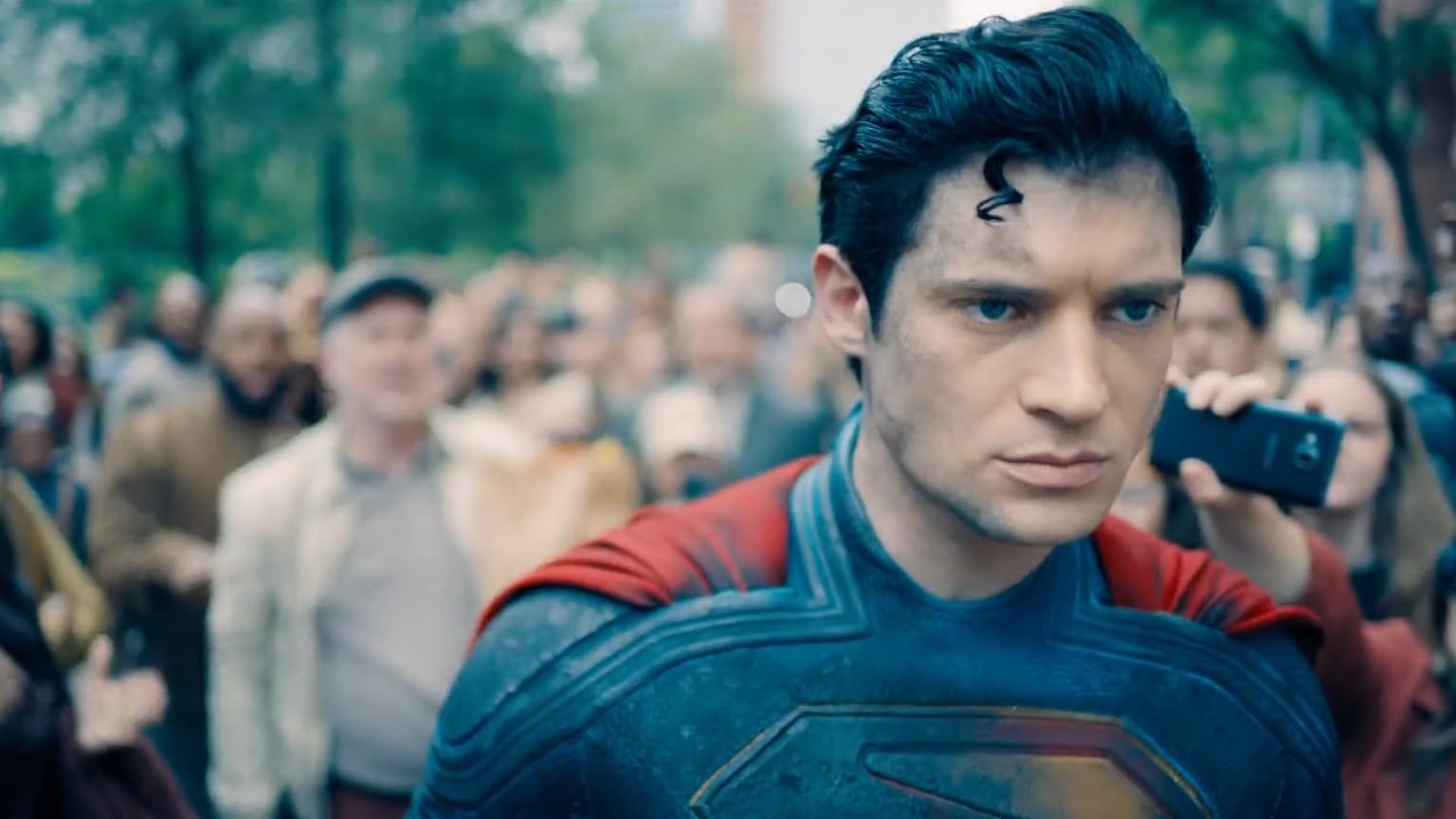
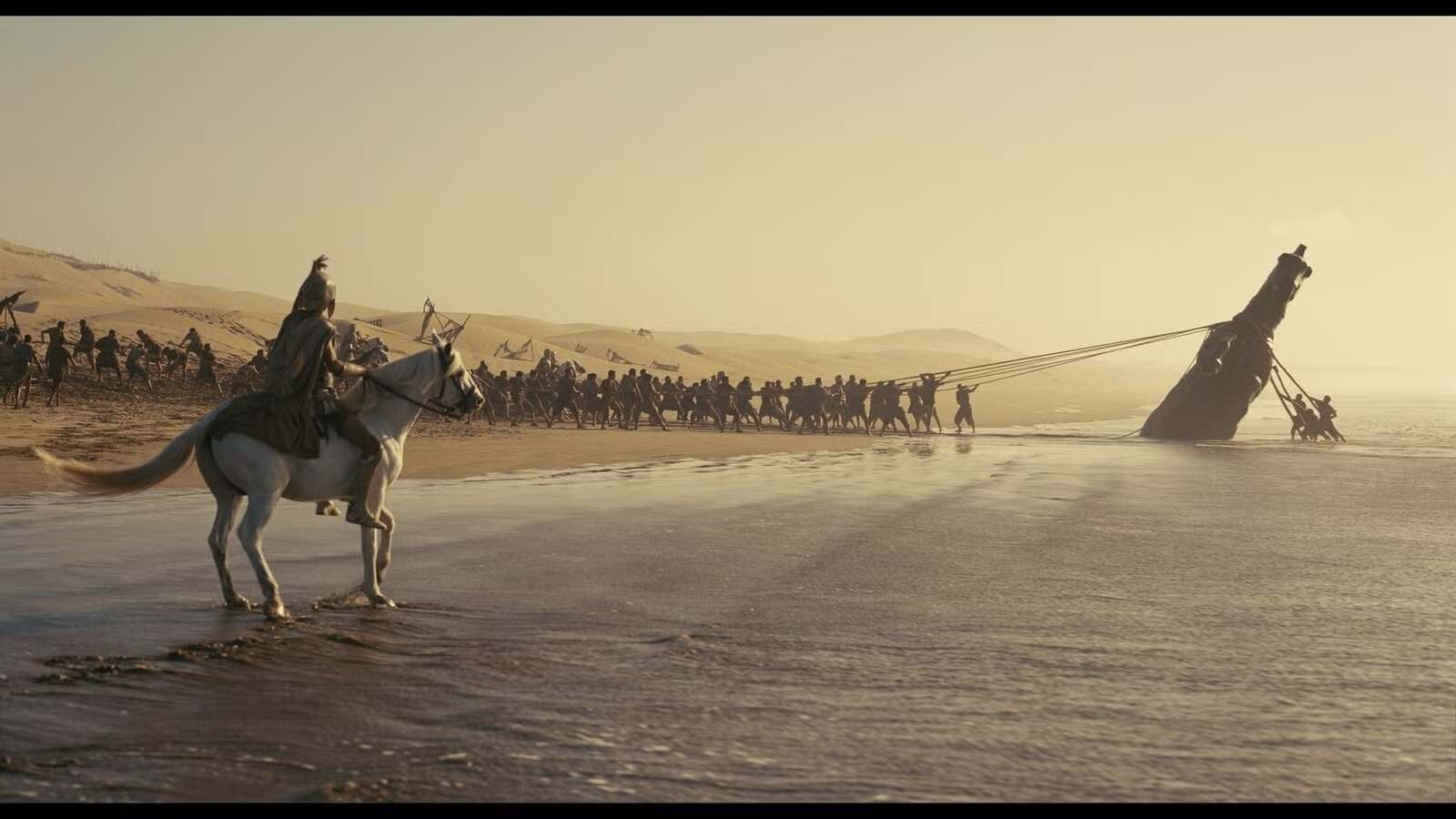
In a summer stacked with blockbusters, Superman (2025) feels different. Earnest. Sweeping. Unapologetically hopeful. And behind the camera, helping to translate that tone into texture, light, and movement, is cinematographer Henry Braham, BSC, a veteran of both indie cinema and the biggest tentpoles in the galaxy. Director James Gunn has described the film as “the foundation of our creative vision for the DC Universe,” and it’s Braham’s images that give that foundation its visual heartbeat. Their collaboration isn’t new, they’ve worked together on Guardians of the Galaxy Vol. 2 & 3 and The Suicide Squad, but this time, the assignment was something more restrained, more sincere. “This is a story about humanity, fallibility and the power of goodness and hope,” Braham said in a Panavision feature shortly before the film’s release. That sentiment wasn’t just written into the script; it’s baked into every frame.
A Compact Camera and a Colossal Scope
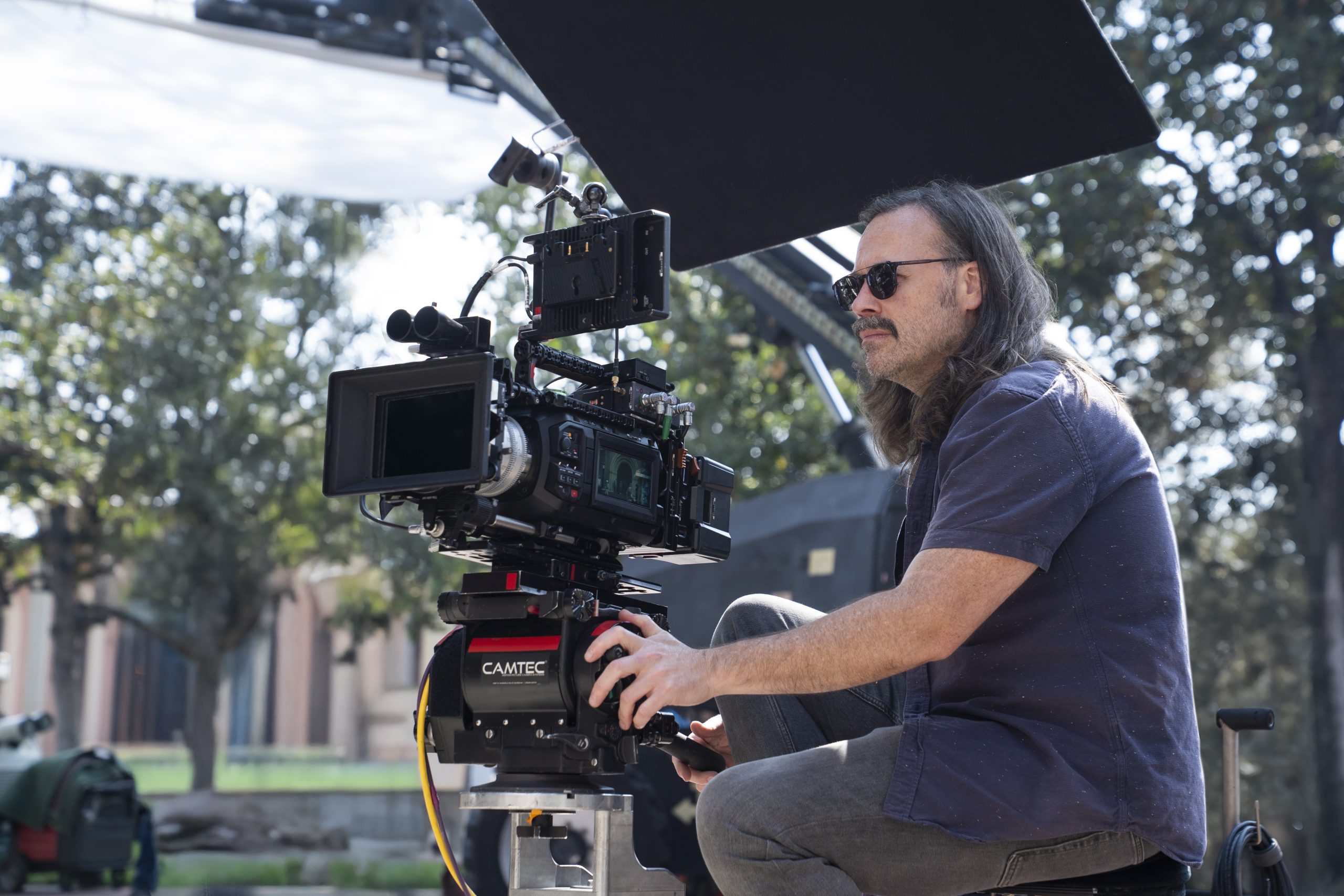
Braham and Gunn chose to shoot Superman entirely with RED’s IMAX-certified V-RAPTOR [X] camera, a bold choice in part because of its small footprint. Braham paired it with the featherlight Stabileye Nano, a gimbal system he could operate himself. In practice, that meant sweeping flight sequences, long walk-and-talks, and emotionally intimate scenes all shared the same physical shooting language: fluid, present, unshackled from traditional dolly and crane setups. “You want the smallest physical technology possible with the best picture quality you can possibly achieve,” Braham told RED Digital Cinema in a “Behind the Look” article. That philosophy carried over to Superman, where he sought a camera system nimble enough to move with the actors, not around them. Even the lenses were chosen to evoke intimacy with grandeur. Vintage Leica Tri-Elmar primes, adapted for large-format sensors, gave the film a soft, almost tactile quality.
Production kicked off, fittingly, on February 29, Clark Kent’s canonical birthday, in the icy wilderness of Svalbard, Norway. Those real-world Arctic backdrops stand in for the Fortress of Solitude, a location designer Beth Mickle insisted be physically built rather than rendered in post. “We wanted a real environment for Henry to light,” she told Variety. The result is a space that feels ancient and otherworldly, but still grounded, something you could imagine stumbling upon if you hiked far enough into the snow. This realism extended throughout the film, even in scenes set in the bustling fictional city of Metropolis. Braham kept the camera close, often handheld, allowing viewers to experience the world as Clark does, not as a distant myth, but as a man living among us. When Superman takes flight, the camera rises with him, gliding as if pulled by the same physics-defying lift.
Visual Storytelling, Rooted in Character
There’s a word that comes up often in Braham’s interviews: “truth.” Whether he’s filming a masked assassin in Panama (The Suicide Squad) or a demi-god in red boots, he wants the camera to feel truthful. That’s especially apparent in Superman’s quieter moments: a boy on a Kansas farm gazing up at the stars, or a journalist searching for the right words under flickering fluorescent lights. Braham allows the imperfections, the subtle flares, the rolling focus, the real-world texture of brick and skin, to remain.That’s where the emotion lives. Color plays a key role, too. Superman embraces bold primaries, drawing inspiration from Silver Age comics and storylines like All-Star Superman, which designer Beth Mickle cited as a major influence. But Braham avoids garishness, instead leaning into rich contrast and natural light falloff to give the colors weight and meaning.
Braham’s collaboration with Gunn is by now finely tuned. When romoting The Suicide Squad, Braham noted numerous times that he and James worked around “magical realism”, adding that the challenge is always to keep it grounded while honoring its mythic scale. That trust pays dividends on a project like Superman, which walks a tonal tightrope: romantic but not saccharine, grand but not self-serious. He also reunited with other trusted department heads: Beth Mickle (production design), Judianna Makovsky (costume design), and Stéphane Ceretti (visual effects). That continuity across projects allowed the team to focus less on style for its own sake and more on aligning visual choices with storytelling needs.
The Man Behind the Lens
Henry Braham’s background is as eclectic as his filmography. Before superhero franchises, he cut his teeth on British indies like Bright Young Things and stylized fare like The Golden Compass. He’s worked with Tim Burton, Paul Feig, and Joe Wright. He’s even a partner in an English organic farm, perhaps explaining his deep respect for light, atmosphere, and authenticity. What unites his work, whether in the jungles of Tarzan or the streets of Metropolis, is a filmmaker’s eye for empathy. The lens is never just about angles, it’s about access. What can the audience feel? Where can they be invited in? In Superman, that means giving myth a heartbeat. Making gods look human. And ensuring that when the Man of Steel takes flight, we’re not just watching; we’re flying with him.
Editor’s Note: This profile was compiled using publicly available interviews and press materials. All quotes are attributed to their original sources. No new interviews were conducted for this piece.