The Hour Is Long - Emmy Cinematography
An hour gives you room to breathe, but also room to drift. The best one-hour cinematography builds a map the audience can follow without ever feeling ushered. This year’s Emmy slate for Outstanding Cinematography for a Series (One Hour) is a master class in that kind of intent.
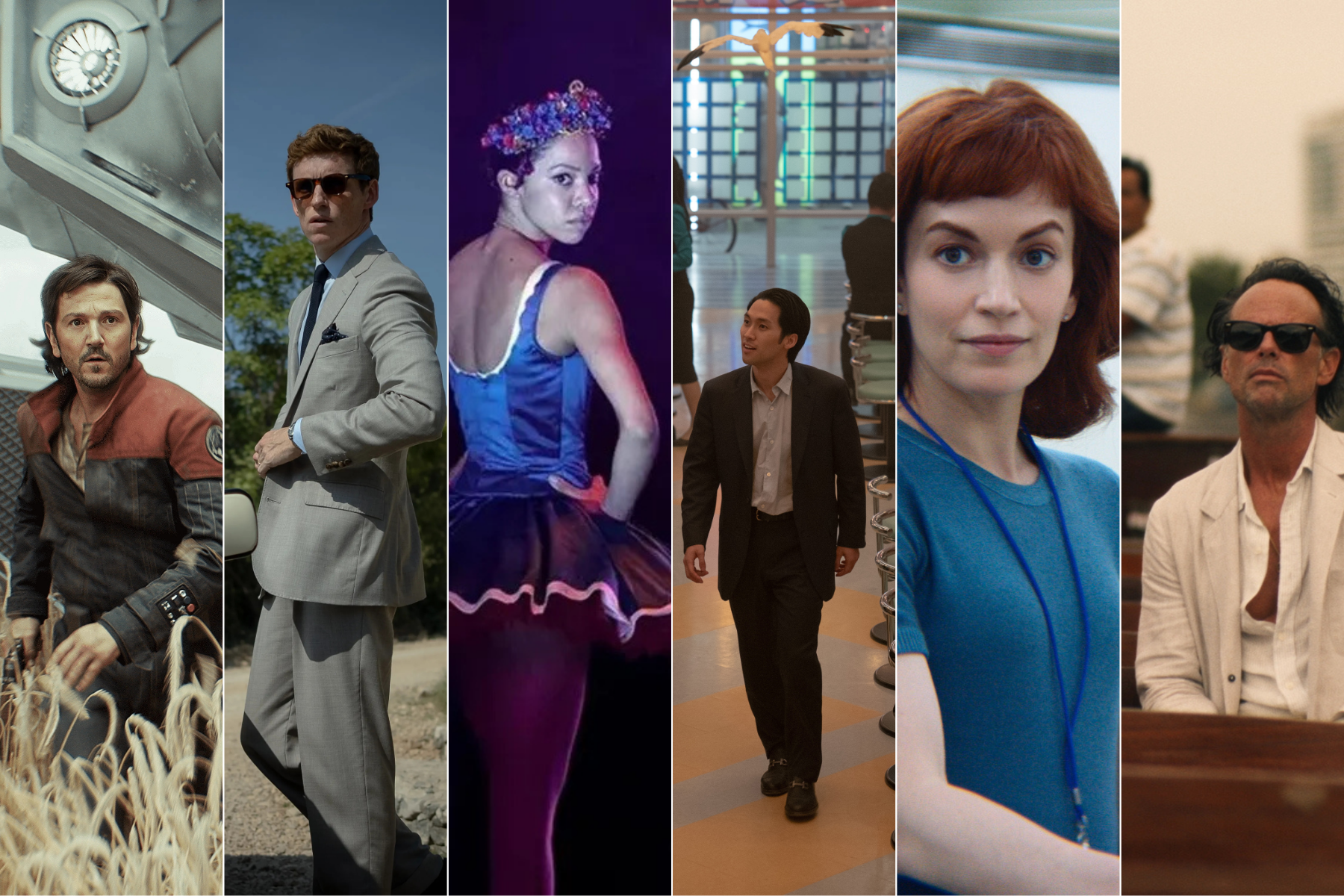
An hour gives you room to breathe, but also room to drift. The best one-hour cinematography builds a map the audience can follow without ever feeling ushered. This year’s Emmy slate for Outstanding Cinematography for a Series (One Hour) is a master class in that kind of intent. War-zone grit. Corporate chill. Tropical menace. Balletic intrigue. Each nominee knows exactly where to put the camera and why.
The nominees
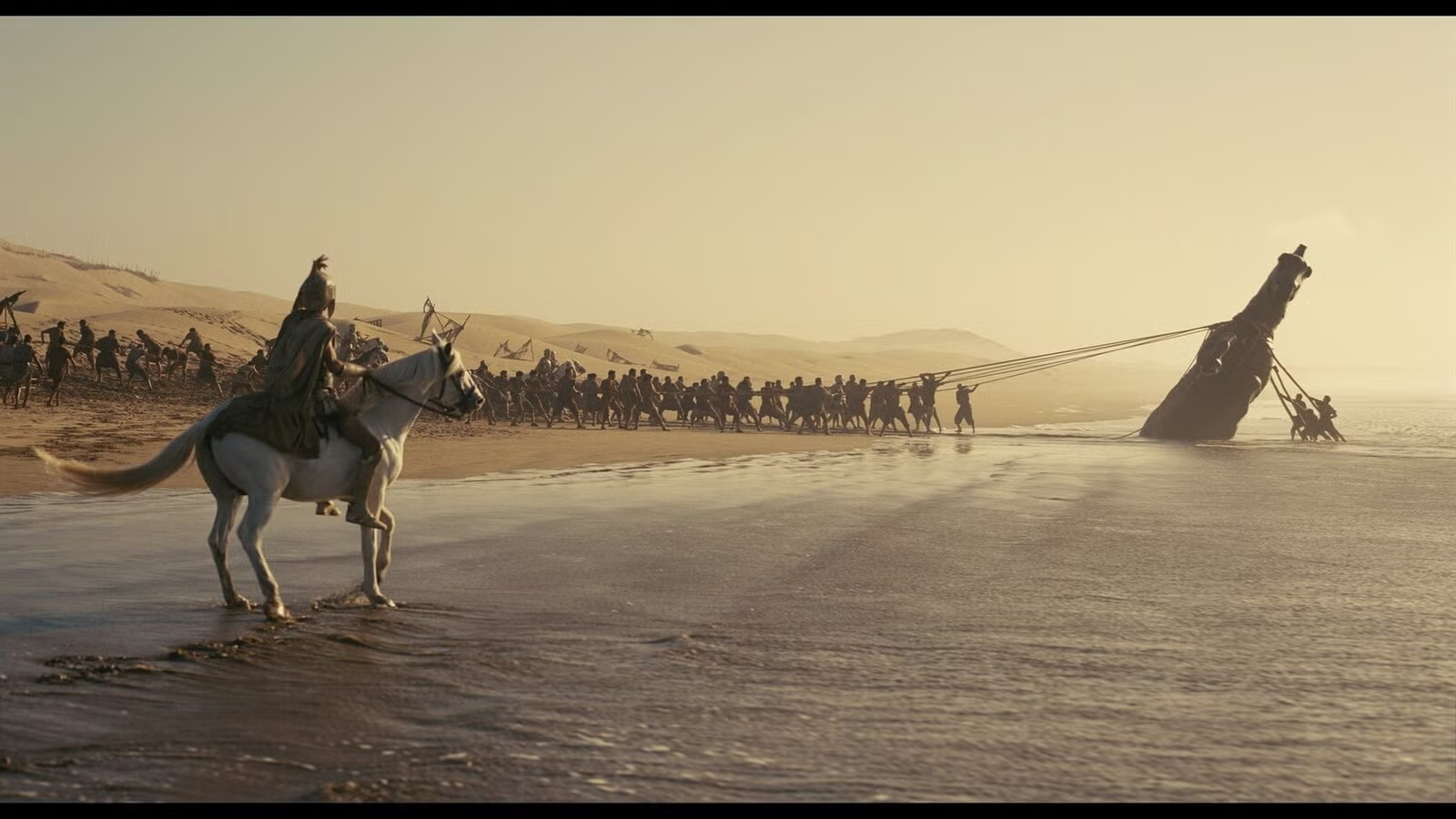
Andor — “Harvest,” Christophe Nuyens, SBC, Director of Photography. Nuyens keeps Andor’s moral geometry razor-clear at ground level. “Harvest” leans into the show’s large-format anamorphic look, making occupied worlds feel both epic and claustrophobic. The frames carry the weight of insurgency without drowning in grit; faces stay readable even when the light is unforgiving. Our take is that it plays like reportage with taste, which is Andor’s sweet spot. Why it could win: muscular clarity at scale. It is the most “cinema first, franchise second” look in the group, and voters tend to notice when the photography feels authored.
The Day of the Jackal — “Episode 1,” Christopher Ross, BSC, Director of Photography. Ross inaugurates this series with modern-noir control. He favors graphic contrast, clean eyelines, and a confident night palette that never muddies faces or locations. You can feel the thriller mechanics click into place, shot by shot, without the image browbeating you. It is crisp work from a DP who enjoys stylized worlds but keeps the blocking honest. Why it could win: pilot episodes are hard; pilots that look this assured are rarer. The opening hour announces a show with a visual spine, not just a hook.
Étoile — “The Swap,” M. David Mullen, ASC, Director of Photography. Mullen brings a period classicist’s eye to backstage ballet. The episode’s pleasure is how it trades glamour for intimacy without losing luster. Practical sources feel like they belong to the rooms, and the choreography breathes in frames that privilege bodies and stakes over ornament. If you know Mullen’s taste for elegant, character-led coverage from earlier work, you can see the same restraint deployed here in service of backstage politics. Why it could win: the most seamless blend of beauty and legibility. It honors performance and craft at the same time.
Pachinko — “Chapter Nine,” Ante Cheng, Director of Photography. Cheng’s contribution to Pachinko remains a high bar for cross-cut emotional storytelling. “Chapter Nine” threads eras and continents with compositional calm: disciplined camera, plush blacks, and color that carries meaning rather than noise. Scenes land with the quiet authority of memory, not the stampede of melodrama. As a viewing experience, it is patient, precise, and deeply humane. Why it could win: voters who equate cinematography with feeling will clock how much of this episode’s ache is built in the frame.
Severance — “Hello, Ms. Cobel,” Jessica Lee Gagné, Director of Photography. Gagné’s images are still the grammar of corporate dread: rectilinear compositions, airless negative space, and a palette that makes fluorescent light feel like policy. “Hello, Ms. Cobel” remembers the show’s trick, which is to let geometry do the gaslighting. The camera rarely raises its voice; it just refuses to comfort. In an hour full of plot, you always know where you are and exactly how unwelcome you are there. Why it could win: the purest expression of design-as-psychology in the category, rendered with monk-like discipline.
The White Lotus — “Killer Instincts,” Ben Kutchins, ASC, Director of Photography. Kutchins courts paradise with a suspicious eye. Tropical sun is a temptation to over-sweeten; he keeps it sharp and story-minded. Skin tones stay honest in punishing light, interiors feel air-conditioned without flattening, and the coverage always leaves room for subtext to creep in from the edges. The episode’s visual tone matches the show’s best mode: seductive on the surface, quietly predatory underneath. Why it could win: the hardest thing here looks easy. It is a showcase in controlling glare, glass, and gossip without choking the performances.
Each of these hours demonstrates control, but not the same kind. Andor flexes scale without losing faces. Jackal proves tension does not require grit. Étoile caresses craft without falling into pastiche. Pachinko finds grace notes that read as memory, not manipulation. Severance makes architecture into attitude. White Lotus domesticates hostile daylight. If there is a common thread, it is the refusal to let style upstage stakes.
If voters chase bravura with brains, Andor’s “Harvest” is the loudest and most articulate case for a cinematic hour. If they prefer ice-cold design used as character, Severance is right there. For classic elegance in a genre that often goes perfume-ad glossy, Étoile is a stealth contender. If the vote tilts toward heart and historical sweep, Pachinko has the most accumulated feeling. Jackal has the strongest pilot-as-promise argument. White Lotus delivers the most invisible heavy lifting, which is often the mark of a DP’s peak confidence.
There is no wrong envelope to open. Different flavors, same outcome: intent you can feel, in shots you can follow.
Editor’s Note: This profile was compiled using publicly available interviews and press materials. All quotes are attributed to their original sources. No new interviews were conducted for this piece.